
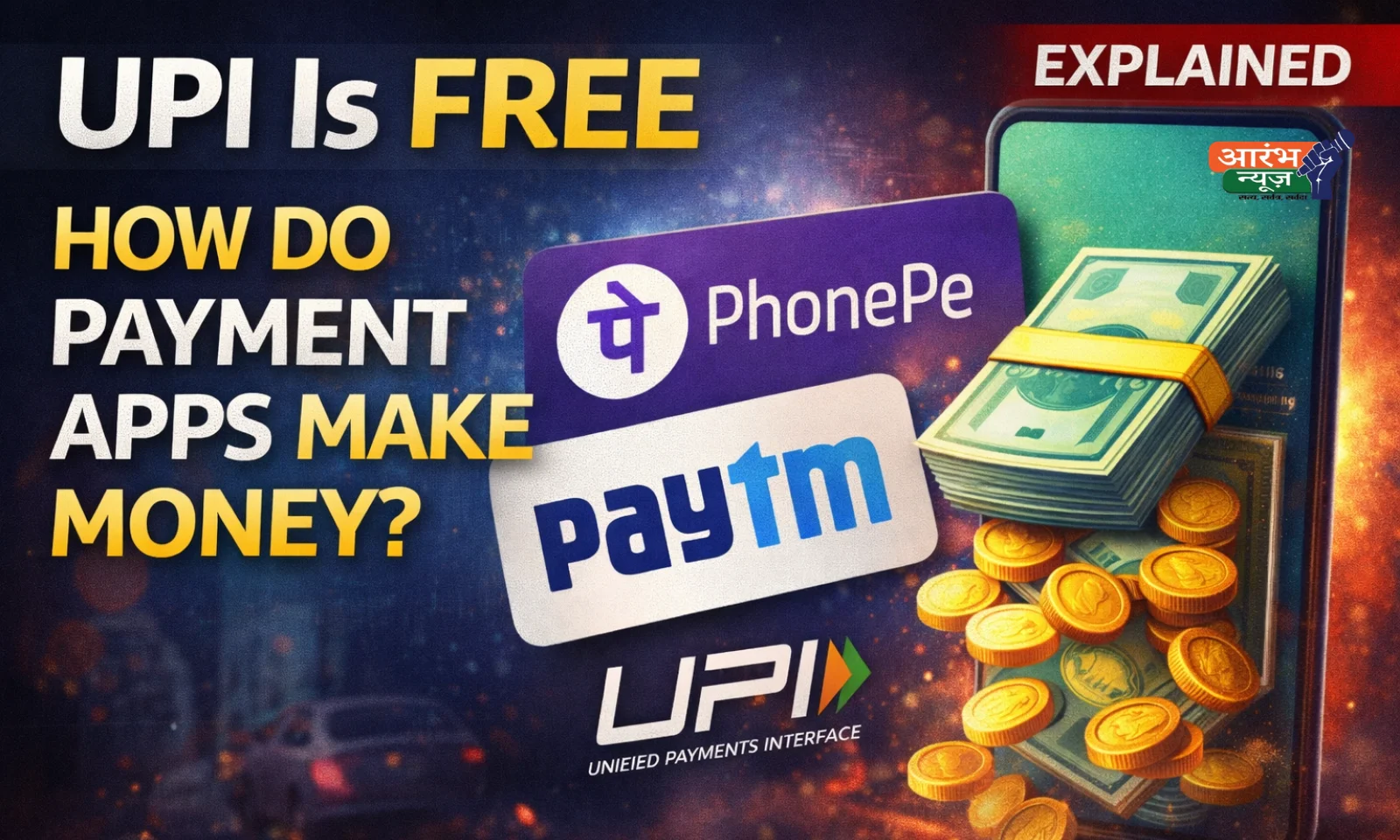
UPI Is Free But How Do Payment Apps Make Money PhonePe Paytm Explained
UPI transactions are free, but apps like PhonePe and Paytm earn revenue through financial products, merchant tools, advertising and commissions. Full explanation.
India की UPI (Unified Payments Interface) सेवा आज डिजिटल भुगतान के क्षेत्र में एक क्रांति बन चुकी है। हर कोई UPI के ज़रिये पैसे तुरंत भेजता और प्राप्त करता है। UPI service users के लिए free है। लेकिन सवाल यह है—
अगर UPI free है, तो PhonePe, Paytm, Google Pay जैसे पेमेंट apps कैसे पैसा कमाते हैं?
यह लेख इसी सवाल का answer देगा, और समझाएगा कि UPI ecosystem में बिज़नेस मॉडल कैसे काम करता है, revenue sources क्या हैं, और यह बदलाव India की digital economy में किस तरह योगदान कर रहा है।
What is UPI (Unified Payments Interface)?
UPI (Unified Payments Interface) एक real-time payment system है, जिसे NPCI (National Payments Corporation of India) ने बनाया है। UPI के ज़रिये users एक mobile number या UPI ID के ज़रिये तुरंत पैसा भेज और प्राप्त कर सकते हैं।
Important बात यह है कि RBI की guideline के अनुसार UPI transactions per se free हैं—users और merchants दोनों को transaction fee नहीं दी जाती।
UPI का Growth and Adoption
India में UPI adoption explosive रहा है।
कुछ key facts:
- India ने billions of transactions UPI के ज़रिये दर्ज किये हैं
- Lockdown के बाद digital payments usage में तेज़ी से बढ़ोतरी हुई
- Small merchants से लेकर बड़े बिज़नेस तक UPI accepted payment method बन चुका है
लेकिन इसी free ecosystem के बीच बड़े payment apps जैसे PhonePe, Paytm, Google Pay, Amazon Pay आदि अच्छे revenue figures कमा रहे हैं।
तो फिर हम जानते हैं कि यह revenue कहां से आता है।
How Payment Apps Make Money from UPI
हालाँकि UPI transactions free हैं, लेकिन UPI apps के पास revenue generate करने के कई तरीके हैं।
मुख्य revenue sources इस प्रकार हैं:
1. Merchant Discount Rate (MDR) on UPI Transactions (For Some Partners)
हाल ही में NPCI ने कुछ merchant categories के लिए MDR (Merchant Discount Rate) allowable बनाया है। इसका मतलब है कि कुछ specific cases में PSPs (Payment Service Providers) जैसे PhonePe/Paytm को small fee मिल सकती है—
especially जब कोई merchant large business हो या कुछ special features use करता हो।
ध्यान दें कि यह fee user के account से नहीं ली जाती, बल्कि merchant से ली जाती है।
2. Financial Services and Lending Products
सबसे बड़ा revenue generator UPI apps के लिए financial services हैं। इसमें शामिल हैं:
- Paytm Postpaid / PhonePe Pay Later जैसे buy-now-pay-later (BNPL) products
- Personal loans tie-ups
- Credit cards onboarding fees
- Insurance and investment selling commission
इन सेवाओं से companies high interest और commission generate करती हैं, जिससे उनकी revenue बढ़ती है।
3. Merchant Services and Business Tools
Payment apps सिर्फ payment facilitate नहीं करते। वे merchant ecosystem को भी services provide करते हैं:
- Billing tools
- Business insights dashboard
- Customer analytics
- Subscription tools
इन advanced merchant products के लिए subscription या service fees चार्ज होती है।
4. Advertising Revenue
User base और transaction data का benefit उठाकर apps ad-based models भी use करते हैं:
- In-app promotions
- Partner brand advertising
- Targeted offers
जैसे ही user particular product category में interest दिखाता है, इन platforms पर relevant ads दिखाई जाती हैं और इससे ad revenue generate होता है।
5. Financial Products Marketplace
PhonePe और Paytm जैसे apps ने खुद को एक financial marketplace के रूप में reposition किया है।
इनमें users को products मिलते हैं:
- Insurance plans
- Mutual funds
- Gold purchase options
- Other investment products
इन product sales में commission मिलती है, जो बड़ा revenue source है।
6. Paytm Wallet / PhonePe Balance Interest
कुछ apps के पास proprietary wallet balance होता है। Wallet balance पर generated float interest भी revenue में count होता है।
Revenue Numbers: How Big is the Market?
Report के मुताबिक UPI apps की total revenue potential ₹15,000 crore+ yearly estimate तक पहुँच चुकी है। यह figure सिर्फ UPI fees से नहीं आ रही; यह मुख्यतः value-added services से generate हो रही है।
कुछ major points:
- PhonePe, Paytm जैसे apps ने multiple revenue streams build किये हैं
- UPI transactions base जमने के बाद services diversify हुई
- Digital adoption बढ़ने से multiple adjacent products का growth हुआ है
Is UPI Actually Free for Users?
Short answer: Yes, UPI transactions are free for users.
लेकिन कुछ specific cases में banks या apps optional features के लिए fees ले सकते हैं—for example:
- Some charge for wallet recharges
- Chargeable premium features
- Business premium services
लेकिन day-to-day fund transfers और merchant payments UPI पर free ही रहते हैं।
Impact on India’s Digital Economy
UPI की free nature ने digital payments को बड़े पैमाने पर popular बनाया है। इसका बड़ा impact India की economy पर इस प्रकार रहा:
1. Cashless Ecosystem Boost
Cashless payments को mass adoption मिला। Rural areas तक UPI coverage पहुंची।
2. MSME Growth
Small businesses ने acceptance costs कम रखकर digital payment integrate किया।
3. Innovation in FinTech
New FinTech products, wallets, lending products, analytics services आए हैं।
Challenges & Risks for Payment Apps
RevenueModel इतना आसान नहीं है। Challenges भी हैं:
- Regulatory changes
- Competition from global wallets
- Security & fraud concerns
- Low fees environment
Payment apps को innovate और diversify करना जरूरी है ताकि revenue sustain रहे।
Future Outlook
Future में UPI ecosystem evolve होकर एक complete financial super-app model बन सकता है।
Future trends include:
- Embedded finance
- BNPL growth
- UPI 2.0 advanced features
- Cross-border UPI pilots
- Subscription financial products
इसका मतलब है कि revenue streams और multiple layers पर expand होंगे—भले UPI transactions free ही क्यों न रहें।
यह भी पढ़े: Blue Drum Murder: जिस बेटे को पढ़ाया-लिखाया, उसी ने छीन ली जान! सनसनीखेज वारदात
About the Author




1 thought on “UPI Is Free But How Do Payment Apps Make Money | PhonePe Paytm Explained”